The Stages of Menopause
I understand that navigating menopause can be challenging, especially when brain fog, anxiety and depression are part of the journey. Knowing which stage of menopause you are in can help you better manage your symptoms and find the support you need.
Here’s a simple overview of the different stages of menopause:
Premenopause:
The period leading up to perimenopause. It can be helpful to start keeping track of your periods from your mid to late 30s and note any changes to regularity and flow. This will allow you to be more aware of your body and the pattern of your menstruation when your hormones start to fluctuate marking the beginning of the peri phase.
Perimenopause:
This is the transition period leading up to menopause. It can start several years before your final menstrual period around mid 40s. During the peri/meno years, hormone
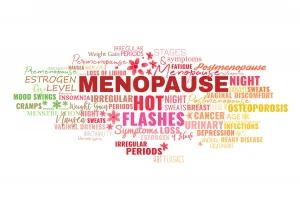 levels fluctuate (oestrogen, progesterone, testosterone), causing a myriad of symptoms such as irregular periods, mood swings, brain fog and sleep disturbances. Many women also experience increased anxiety and depression during this time.
The early peri phase is characterised by poor sleep (as progesterone begins to dip) and low energy especially around the time of your period. During the late peri/meno phase (usually the 4 years leading to menopause) periods become more erratic (3-6 months apart) and symptoms ramp up: night sweats, crying spells, brain fog, memory lapses, anxiety, panic attacks.
Menopause:
Menopause is officially diagnosed when you haven’t had a menstrual period for 12 consecutive months. The average age for reaching menopause is around 51 or 52, but it can happen earlier or later.
Postmenopause:
Postmenopause begins after you’ve gone a full year without a period. Symptoms like hot flushes and mood swings may continue, but they become less frequent. However, the risk for certain health conditions, such as osteoporosis and heart disease, increases during this stage. This is why moving through menopause is non-negotiable! Strength training and fitness for active ageing are essential for our wellness as we transition into our second spring. Remember menopause is not a disease! It is a neuroendocrine transition that is specific to women.
Understanding which stage of menopause you are in can help you take the right steps to manage your symptoms and improve your quality of life. If you’re unsure, tracking your menstrual cycle and symptoms can provide valuable insights.
One thing I have learned is that it is essential to nourish your body through a healthy balanced diet that supports our changing needs. We simply cannot continue eating the way we have always eaten. We need:
- a healthy gut microbiome (fermented foods like sauerkraut and kombuchas are fab for healthy gut bacteria);
- enough protein;
- fewer stimulants like coffee;
- less alcohol;
- more variety of fruits and vegetables.
A good base is whole food and plant based – add any other protein sources that suit your needs and tastes. In the UK it is also essential to supplement with vitamins D3 and K2. Add Omega 3 for brain health. Consulting a nutritionist could be a good starting point to find out what your specific dietary requirements are.
One thing I have learned is that it is essential to nourish the body through a healthy balanced diet that supports our changing needs.

Remember, you’re not alone on this journey. If you have any questions or need further support, please don’t hesitate to reach out.
Follow me on insta @rebeccamangalayoga where I share tips and support!
This blog is intended for educational purposes and should not replace professional medical advice.
