
The Mid-Life Miracle: How Physical Exercise Boosts Mental Health
Engaging in regular physical activity not only keeps our bodies fit and healthy but also has a profound positive impact on our mental well-being.
As we navigate the ups and downs of mid-life, it becomes increasingly crucial to prioritise our mental well-being. While various factors contribute to our mental health, one often underestimated yet incredibly powerful tool is physical exercise. Engaging in regular physical activity not only keeps our bodies fit and healthy but also has a profound positive impact on our mental well-being. In this blog post, we will explore the remarkable benefits of physical exercise on mental health specifically during mid-life.
1. Mood Enhancement:
Mid-life can be a time of increased stress, responsibilities, and hormonal changes. Physical exercise acts as a natural mood enhancer releasing endorphins that uplift our spirits and reduce feelings of anxiety and depression. Regular exercise helps regulate serotonin and dopamine levels, neurotransmitters associated with feelings of happiness and pleasure, thereby fostering an overall sense of well-being.
2. Stress Reduction:
The demands of mid-life can often lead to heightened stress levels, which can negatively impact mental health. Engaging in physical exercise provides a healthy outlet for stress, allowing individuals to release tension and frustration. Whether it’s a brisk walk, a calming yoga session or an intense cardio workout, exercise acts as a potent stress reliever, promoting relaxation and reducing the risk of stress-related mental health disorders.
3. Cognitive Function:
Mid-life is often associated with changes in cognitive function, such as memory lapses or decreased concentration. Regular physical exercise has been shown to enhance cognitive function and protect against age-related cognitive decline. Exercise increases blood flow to the brain, promoting the growth of new neurons and improving overall brain health. Additionally, physical activity stimulates the release of brain-derived neurotrophic factor (BDNF) – a protein crucial for learning, memory and mental clarity.
4. Self-Confidence:
As we age our bodies undergo various physical changes, which can impact our self-esteem and body image. Engaging in regular exercise helps maintain a healthy weight, tone muscles and increase overall fitness levels. This positive physical transformation often translates into improved self-confidence and a more positive body image. Feeling good about one’s physical appearance can significantly impact mental well-being and contribute to a positive outlook on life.
5. Social Connection:
Mid-life can sometimes bring feelings of isolation and a decreased sense of community. Engaging in group exercise activities such as: team sports, fitness classes or hiking groups provides an opportunity for social interaction and connection. Building new friendships, sharing experiences and having a support system can contribute to improved mental health, combat loneliness and foster a sense of belonging.
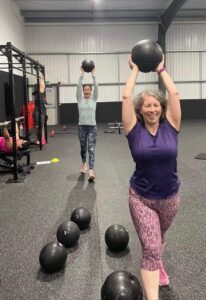 Physical exercise is a powerful tool that can positively impact mental health during mid-life. By incorporating regular exercise into our routines we can experience a multitude of benefits:
- enhanced mood;
- reduced stress levels;
- improved cognitive function;
- increased self-confidence;
- strengthened social connections.
So, let’s lace up our trainers and prioritise our mental well-being!
Whether it’s a brisk walk, a yoga class or a challenging workout finding an exercise regimen that suits our preferences and abilities can be a transformative experience. So, let’s lace up our trainers, prioritise our mental well-being and unlock the wonderful benefits of physical exercise during mid-life.

